When home coffee disappoints, the instinct is to blame the machine and start shopping for a better one. Resist it. In most Lancaster kitchens, the machine is the third or fourth problem, not the first. Water you can taste, a scale of mineral buildup inside the brewer, and stale or unevenly ground coffee will make an expensive machine produce expensive disappointment. The upgrades that matter are cheap, physical, and mostly about what goes into the machine rather than the machine itself.
This how-to works in order, from the highest-impact fix to the smallest. Do the first steps and stop whenever the cup gets good enough; plenty of households will find their answer at step two. The professional line is drawn plainly at the end: what a shop like Daily Grind Coffee Bar does with commercial equipment that a home setup honestly should not chase.
Start with water, because coffee mostly is water
A cup of brewed coffee is roughly 98 percent water, so the water's flavor is the coffee's background flavor. If your tap water tastes noticeably of chlorine, your coffee does too, underneath everything else. A basic carbon filter pitcher or faucet filter removes most chlorine taste for very little money and improves every brew immediately. The opposite error exists as well: distilled or very soft water makes flat, dull coffee because extraction needs some mineral content to work properly. Lancaster tap water, filtered for taste, lands in a workable middle for most people. If you have a water softener, try brewing with the filtered tap from an unsoftened line or a mix, and let the cup decide.
- Filter the water for taste. Use a carbon filter to strip chlorine flavor. Brew one pot before and one after; this single change is the most common night-and-day improvement at home.
- Descale the brewer. Mineral scale builds up in drip machines and kettles, slowing water flow and dropping brew temperature. Run the manufacturer's descaling cycle with a descaler or a vinegar solution, then flush with plain water, every few months depending on your water's hardness.
- Fix the grind before anything else electronic. Grind fresh with a burr grinder if you can, or at minimum grind fresh with any grinder rather than using pre-ground coffee. Even particles extract evenly; fresh grounds keep the aromatics.
- Measure with a kitchen scale. A starting ratio near 1 part coffee to 15 or 16 parts water by weight removes the guesswork of scoops. Consistency, not precision, is the point: the same amount every time.
- Mind the water temperature. Water just off the boil, roughly 195 to 205 degrees Fahrenheit, extracts properly. If your machine brews lukewarm, descaling step two usually fixes the cause, since scale insulates the heating element.
- Store the beans like they matter. Airtight, cool, dark, whole, and finished within a few weeks. No grinder or machine can recover flavor that left the bag in a sunny cabinet.
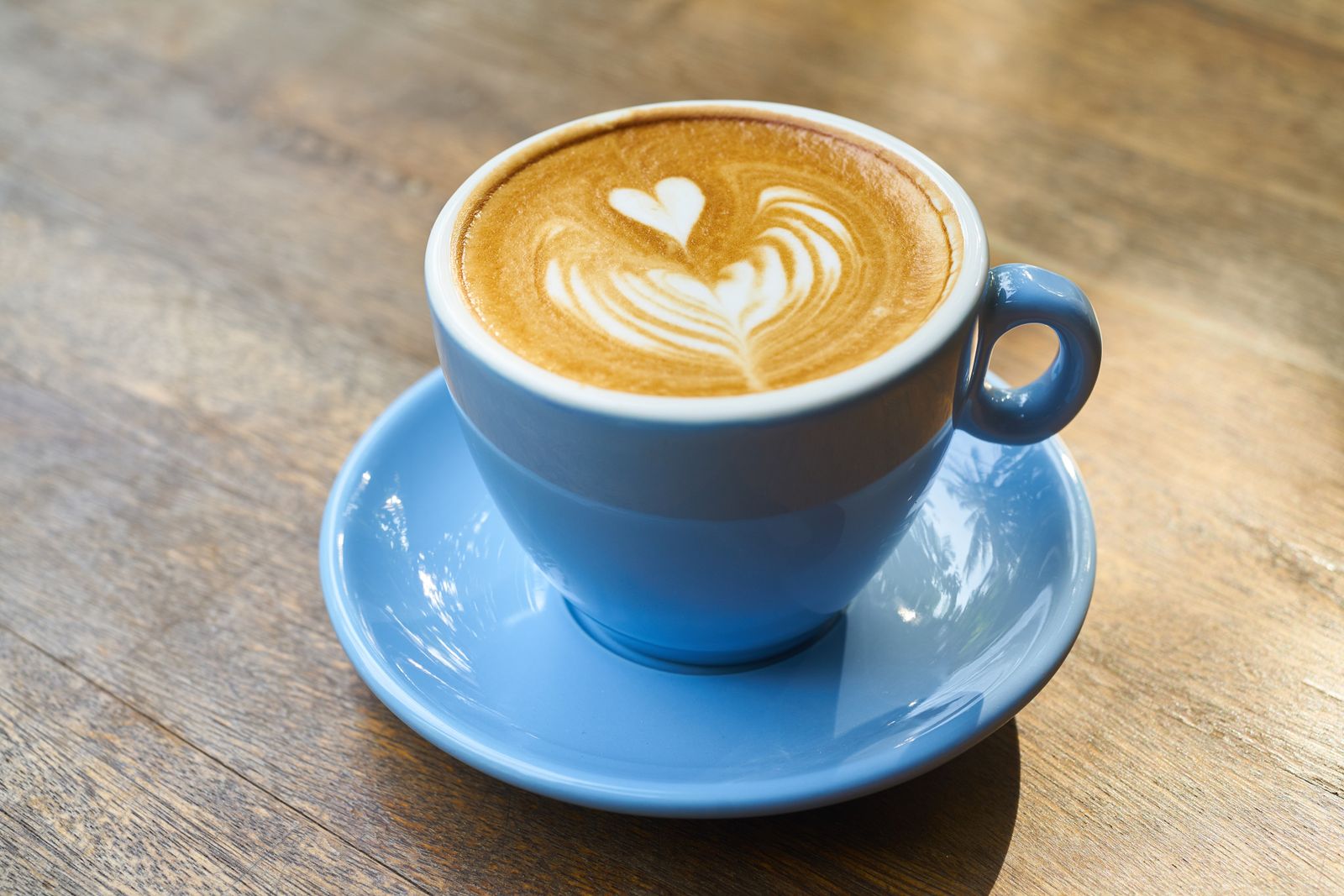
The order matters more than the budget
Notice what is not on the list: a new machine. Machines mostly control temperature stability and convenience, and a mid-range drip brewer with clean internals and hot enough water makes genuinely good coffee. The expensive failures happen when someone layers a costly machine under bad water, scale, and stale pre-ground coffee, then concludes home coffee cannot compete. It can compete, for drip and pour-over, once the cheap steps are done. Spend any remaining urge on better, fresher beans bought in small quantities; beans are a recurring input, and recurring inputs are where recurring quality lives.
One honest limit: espresso at home is the exception. Real espresso needs pressure, a capable grinder, and practice, and it is the one place equipment genuinely gates the result. That is the professional line. A coffee bar's espresso machine, commercial grinder, and a barista who dials in all day produce something a countertop appliance approximates rather than matches. Drip coffee has no such excuse, which is good news: your kitchen can get most of the way there with a filter pitcher, a descaling cycle, and a scale you may already own for baking.
A one-weekend version of the whole fix
Saturday morning: filter a pitcher of water, descale the machine, and brew the same coffee you always make. Taste it. Sunday: brew again with measured coffee and water, grinding fresh if you have any grinder at all. Most people cross from disappointed to satisfied somewhere in those two mornings, having spent less than the cost of the machine they were about to buy. Keep the new habits for a month before judging them, and change one variable at a time after that. Home coffee rewards boring consistency far more than gear.
Common questions
What is the single best cheap upgrade for home coffee?
Filtered water, if your tap water has a chlorine taste, and fresh grinding everywhere else. Together they address the two things coffee is mostly made of and mostly flavored by.
How often should I descale my coffee maker?
Every one to three months is a reasonable range for regular use, sooner if flow slows or the brew tastes dull. Hard water areas and daily use push toward the frequent end.
Do I need an expensive machine to match coffee shop drip coffee?
No. Clean, hot, properly measured drip brewing at home gets close. Espresso is the exception, where commercial pressure equipment and a practiced barista hold a real edge.
Photos in this guide are representative stock images.
← All guides from Daily Grind Coffee Bar← Back to Daily Grind Coffee Bar