Every coffee drink on a menu is the same two ingredients in different proportions: espresso and milk, with water invited to a few of them. Learn the proportions and the menu at Daily Grind Coffee Bar in Lancaster stops being a list of foreign words and becomes a dial you can turn. More milk means milder and larger. Less milk means the espresso speaks louder. This guide decodes the main drinks, then lays them against the calendar, because when you drink which strength turns out to matter as much as what is in the cup.
The calendar framing is not a gimmick. A drink that is perfect at 7 a.m. can be the reason you are awake at midnight, and a drink that feels thin on a January morning may be exactly right in an August heat wave rolling off the South Carolina pavement. Ratios first, then timing.
The ratios, in plain terms
A shot of espresso is about one ounce of concentrated coffee. Everything below is built by deciding what joins it. A macchiato adds a spoonful of foamed milk, a mark on top. A cortado adds an equal amount of warm milk, roughly two ounces of coffee to two of milk, served small. A cappuccino splits into thirds: espresso, steamed milk, and a deep cap of foam, which makes it taste lighter and airier than its size suggests. A latte goes long on milk, often three or four parts milk to one part espresso, with only a thin layer of foam, so it drinks smooth and mild. A flat white sits between cortado and latte, with velvety steamed milk and very little foam. An americano skips milk entirely and lengthens espresso with hot water, landing near drip coffee in strength per cup but with espresso's flavor.
| Drink | Espresso to milk | Typical size | How strong it drinks |
|---|---|---|---|
| Macchiato | Espresso with a spoonful of foam | 2 to 3 ounces | Strongest taste; it is espresso with the edge softened |
| Cortado | Roughly 1 to 1 | About 4 ounces | Strong and balanced; warm milk, no hiding |
| Cappuccino | Roughly 1 to 1 to 1 with foam | 5 to 6 ounces | Moderate; foam makes it feel lighter than it is |
| Flat white | Roughly 1 to 2 | 5 to 6 ounces | Moderate and smooth; espresso forward under silkier milk |
| Latte | Roughly 1 to 3 or 4 | 8 to 16 ounces | Mildest of the milk drinks; size comes from milk, not coffee |
| Americano | Espresso plus hot water, no milk | 8 to 16 ounces | Similar total strength to drip coffee, bolder flavor |
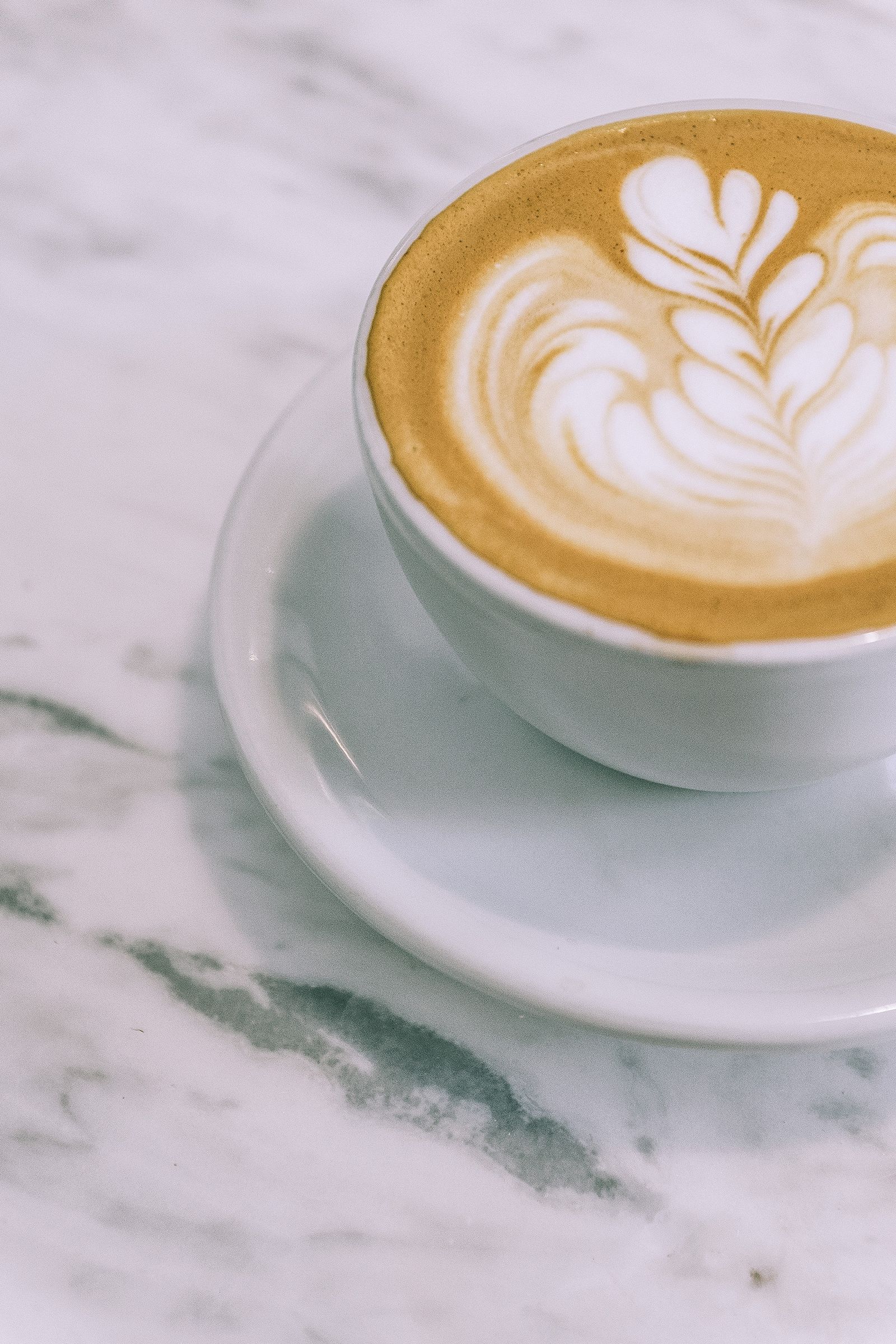
The calendar part: matching drinks to the day and year
Think of the year in Lancaster as two coffee seasons. The cold months, roughly November through March, favor the small, hot, concentrated drinks: a cortado warms without filling you up, and a cappuccino's foam holds heat a little longer on a cold drive. The long warm season, April through October, is when iced versions take over, and the ratios travel with them. An iced latte is the easiest warm-weather drink precisely because it was mostly milk already. An iced americano is the strong, unsweetened option that stays refreshing instead of heavy when the afternoon sits in the nineties.
The daily calendar matters more. Morning can carry the double-shot drinks; the same latte at 4 p.m. carries the same caffeine into your evening regardless of how milky it tastes. Milk dilutes flavor, not caffeine. If afternoons need a coffee ritual, the calendar-smart move is down the size or down the shots, a single-shot cappuccino, or a decaf version of a favorite, rather than a large late latte whose mildness disguises a full dose.
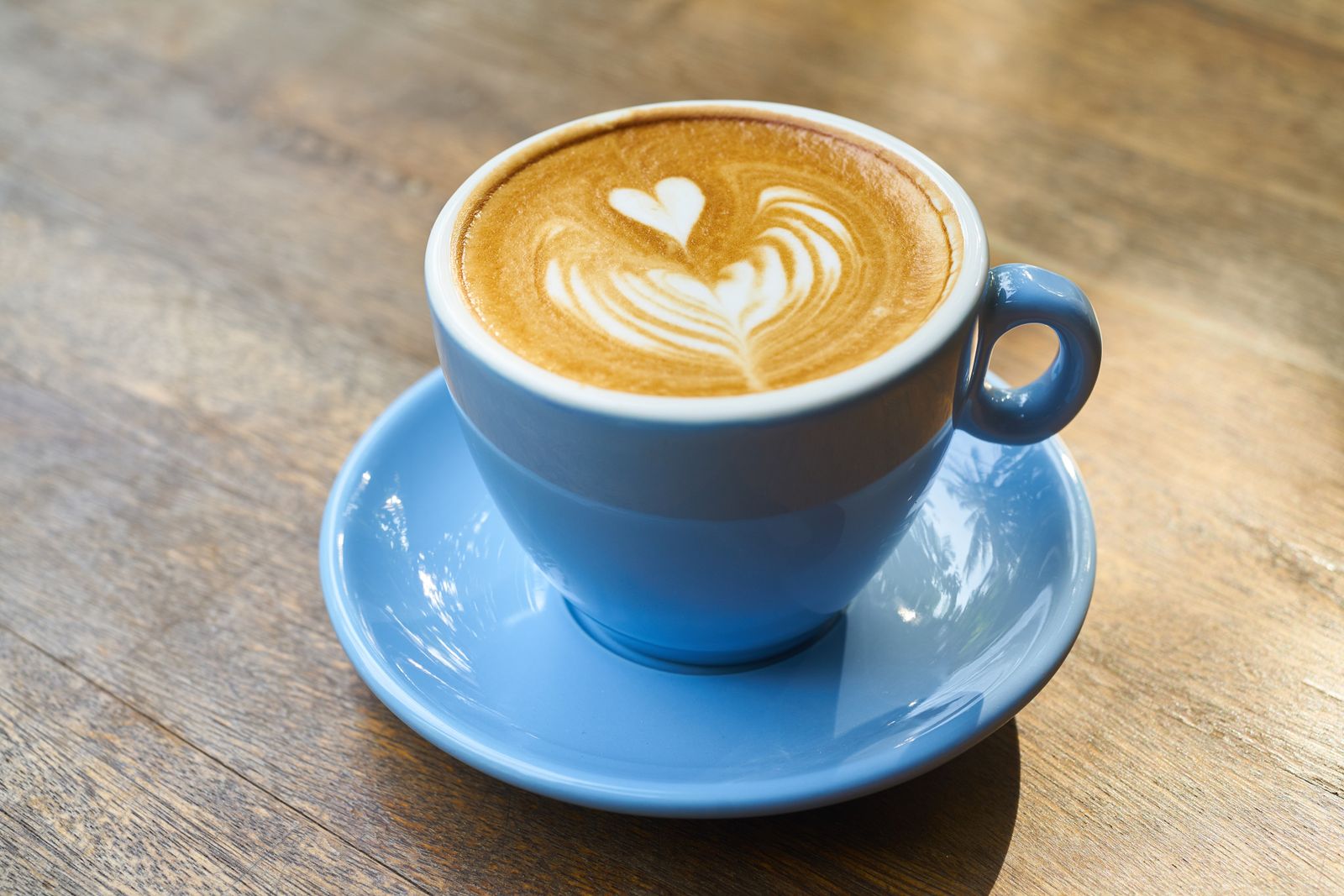
Ordering for the strength you actually want
Translate taste into shots and size. Want strong flavor in a small cup: cortado or macchiato. Want moderate strength with texture: cappuccino or flat white. Want a large, gentle drink that lasts a commute: latte, knowing its caffeine equals its shots, usually two. Want no milk at all: americano. And know that ordering a larger size of a milk drink usually adds milk, not espresso, unless you ask for an extra shot. The calendar trick and the ratio trick are the same trick, really: decide how much espresso the moment calls for, then let the milk arrange itself around that decision.
Common questions
What is the difference between a latte and a cappuccino?
Proportion and foam. A latte is mostly steamed milk with a thin foam layer and drinks mild; a cappuccino is equal thirds espresso, milk, and a deep foam cap, so it tastes stronger and lighter at once.
Does a bigger latte have more caffeine?
Usually not. Larger sizes typically add milk, not shots, so a 16-ounce latte often has the same caffeine as a 12-ounce. Ask for an extra shot if strength is the goal.
Which drink is best for someone who finds espresso too strong?
A latte. Its three-to-one or greater milk ratio softens espresso the most, and a single-shot version softens it further while keeping the same comfortable size.
Photos in this guide are representative stock images.
← All guides from Daily Grind Coffee Bar← Back to Daily Grind Coffee Bar