Order the same drink, from the same beans, on a dry Tuesday and a rainy Friday in Lancaster, and a good barista will quietly change something before your cup is made. That something is dialing in: the small, repeated adjustment of grind, dose, and timing that keeps espresso tasting like itself while everything around it changes. Ignore the process, or let it slide for days, and the neglect compounds in a predictable direction: shots run fast and sour, or choke and turn bitter, and every milk drink built on them inherits the problem.
At Daily Grind Coffee Bar, dialing in is the invisible work behind a consistent cup. This guide explains what a barista is actually adjusting, why the weather in the room genuinely matters, and what it costs the coffee when nobody bothers.
What gets adjusted, in plain terms
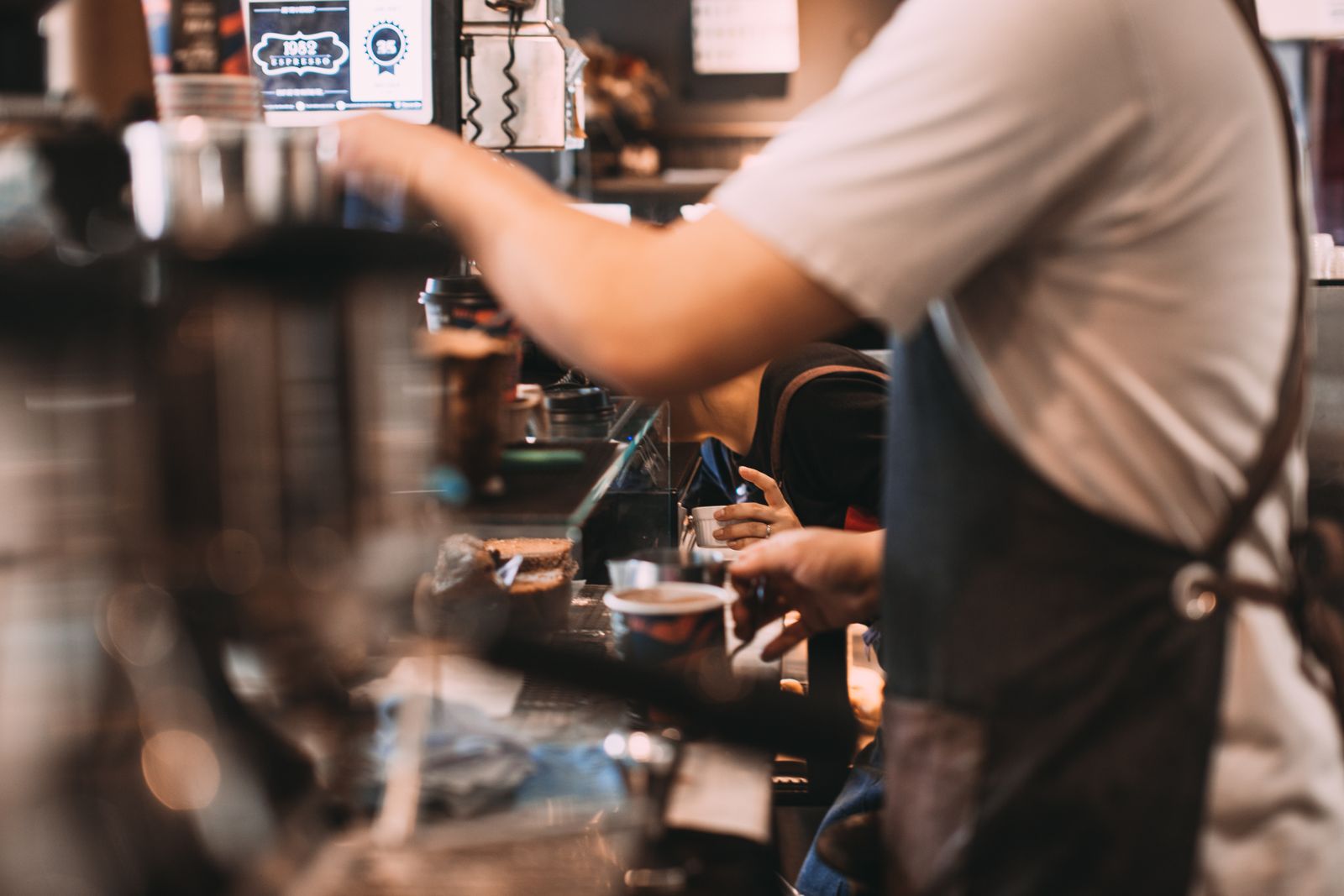
An espresso recipe has three main variables. Dose is the weight of dry coffee in the basket, commonly around 18 to 20 grams for a double shot. Yield is the weight of liquid espresso that comes out, often about twice the dose. Time is how long the extraction takes, typically landing in a window around 25 to 30 seconds. The grinder setting is the lever that moves time: finer grounds slow the water down, coarser grounds let it rush through. Dialing in means tasting a shot, reading where it sits against those targets, and nudging the grind until time, yield, and flavor agree. Sour and thin usually means under-extracted and too fast. Bitter and harsh usually means over-extracted and too slow.
Why the same beans taste different on a rainy day
It is not imagination, and it is not the beans being moody. Ground coffee absorbs moisture from the air, and on a humid Lancaster day, especially the thick air before a summer thunderstorm, grounds in the grinder hopper take on water and behave differently under pressure. Burrs warm up as the morning rush runs, and warm burrs grind slightly differently than cold ones. The beans themselves age a day at a time, releasing gas, and a bag on day ten extracts a touch differently than the same bag on day four. Each effect is small. Stacked together across a shift, they are the difference between the 8 a.m. shot and the 2 p.m. shot, which is why dialing in is not a morning ceremony but a habit repeated whenever the shots drift.
Neglect has a cost curve here. A grinder left unadjusted for a day produces drinks that are a little off. Left for a week, with beans aging and weather swinging, the drinks can be off in different directions on different days, and customers experience it as a shop that is inconsistent without anyone being able to say why. The milk drinks suffer quietly the most, because steamed milk masks a mediocre shot just enough that nobody complains, while nobody becomes a regular either. Consistency is the entire product of a coffee bar, and dialing in is where consistency is actually manufactured.
What this means for your cup at home
Home brewers do not need a scale-and-stopwatch ritual, but the principle scales down intact. If your morning coffee tastes sour one week and fine the next on the same settings, the coffee changed, not your competence: beans aged, the kitchen warmed up, the humidity moved. Adjust the grind a small step at a time, change one thing, and taste again. And when a shop's espresso tastes right on a rainy Friday, understand that someone behind that counter did this work that morning. Dialing in is the least visible and most honest labor in the building.
Common questions
What does dialing in mean in a coffee shop?
Adjusting the grinder, and sometimes the dose, so espresso extracts in the target time and tastes balanced. Baristas do it at the start of service and repeat it as beans, temperature, and humidity shift.
Can weather really change how espresso tastes?
Yes. Humid air adds moisture to ground coffee, warm burrs grind differently than cold ones, and beans age daily. Each effect is small, but together they move extraction enough to taste.
Why does a sour shot mean the grind should change?
Sour usually signals under-extraction from water moving too fast. Grinding finer slows the shot, increases contact, and pulls more of the balancing compounds out of the coffee.
Photos in this guide are representative stock images.
← All guides from Daily Grind Coffee Bar← Back to Daily Grind Coffee Bar